
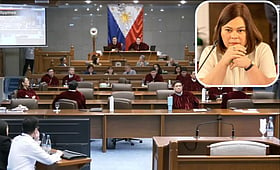
The Senate impeachment trial of Vice President Sara Duterte has become background noise for most Filipinos, even as it approaches its concluding phase. A Momentum Research poll showed only 12.6 percent of respondents closely followed the first week of hearings, while nearly one‑third were barely aware the trial was underway.
Public confusion appears widespread; about a third of those surveyed described the proceedings as confusing, and a mere 7.2 percent said they found the process clear. Despite a Pulse Asia poll indicating that 55 percent of adults are interested in the case, 53 percent admitted they know little about the details.
Cost concerns are also prominent.
Voters view the trial’s expense skeptically, with 63 percent labeling it an “unreasonable” use of public funds. The complexity of the case has been compounded by procedural hurdles, including the absence of several senators due to legal troubles and ethical complaints.
Senator Ronald dela Rosa, a known ally of Duterte, has been missing from the Senate since the International Criminal Court issued an arrest warrant in May 2026, prompting an ethics complaint over his prolonged absence. Senator Rodante Marcoleta, another Duterte supporter, is serving a 90‑day preventive suspension while detained in Quezon City Jail over a ₱75‑million plunder case.
In June 2026, Senator Jinggoy Estrada faced a 90‑day preventive suspension and arrest, leading the Senate to invoke the “Avelino” doctrine to maintain a 12‑member quorum. Estrada, son of former President Joseph Estrada, is currently confronting separate plunder and graft charges related to flood‑control kickbacks, which the Sandiganbayan denied in November 2026.
Leadership changes also marked the trial’s timeline. Sherwin Gatchalian assumed the role of Senate President, while Tito Sotto became Senate President Pro Tempore in June 2026.
The core of the impeachment centers on three allegations that remain after the House withdrew three of four articles on October 13. Article II accuses Duterte of accumulating unexplained wealth, failing to fully disclose assets in her Statements of Assets, Liabilities and Net Worth, and maintaining prohibited business interests while in office.
The prosecution’s case relies on bank records, Anti‑Money Laundering Council reports, tax filings, corporate documents, property titles and forensic accounting. The defence challenges the interpretation of these records, questions the manner in which evidence was obtained, and argues that suspicious transactions do not prove wrongdoing.
As of 25 November 2026, the Senate has not rendered a verdict, leaving the nation to await a decision on whether the vice president can satisfactorily explain the alleged discrepancies in her financial disclosures.
Source: https://gulfnews.com/opinion/impeachment-a-trial-filipinos-stopped-watching-1.500760431