
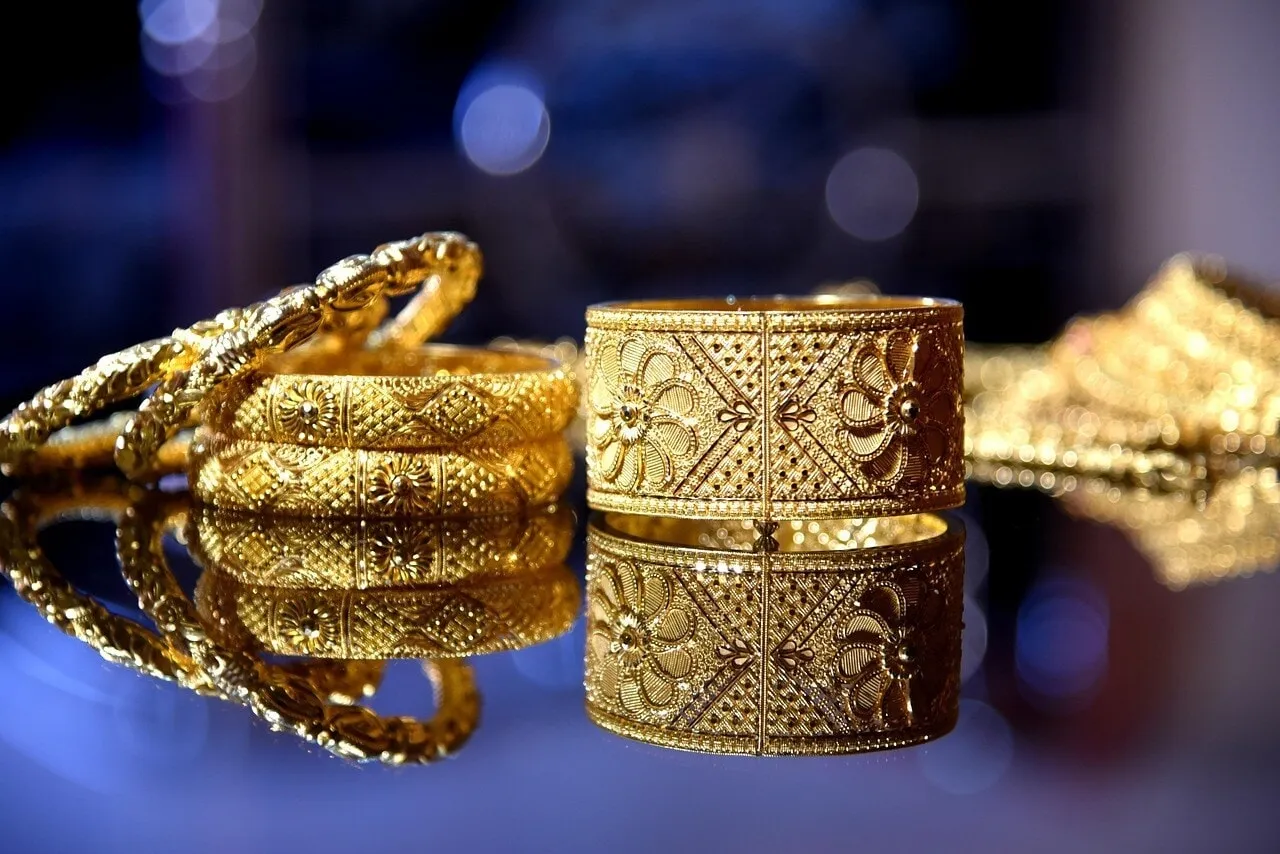
Gold prices across India held their ground on 31 October 2026 with the benchmark 24 karat variety settling at ₹13,888 for every gram. The 22 karat category, widely used in jewellery making, traded at ₹12,730 per gram while 18 karat gold came in at ₹10,416 per gram. These figures come from daily tracking by Goodreturns which sources its data from established jewellers nationwide.
The rates published are indicative and do not factor in GST, TCS or other local levies that buyers encounter at the counter. Anyone planning a purchase should check with their neighbourhood jeweller for the final bill. It’s a routine that seasoned buyers know well — the quoted price is just the starting point.
Gold has long served as a reliable hedge when inflation bites. That reputation keeps drawing investors even when other asset classes look tempting. The yellow metal doesn’t pay dividends but it holds purchasing power across decades. That’s the theory anyway and history largely backs it up.
Markets in the Gulf watched the Indian numbers closely. Trading screens in Dubai, Abu Dhabi, Sharjah, Ajman, Fujairah and Ras al Khaimah all track the subcontinent’s demand patterns. Doha in Qatar and Muscat in Oman follow suit along with Dammam in Saudi Arabia. What happens in Mumbai often ripples through these centres within hours.
Weekly and monthly charts show a pattern of gradual gains punctuated by sharp corrections. The last ten days have been relatively calm which suits both buyers and sellers. Volatility scares off the retail crowd while steady climbs build confidence. Right now the trend looks constructive but nothing in this market stays still for long.
Sovereign gold bonds offer an alternative for those who want exposure without storage hassles. The government scheme pays interest on top of price appreciation. It’s worth checking the latest tranche details if physical ownership isn’t your priority. Many investors split their allocation between paper and physical forms.
Hallmarking has become mandatory and that’s changed how purity gets verified. The 916 stamp on 22 karat pieces gives buyers assurance that didn’t exist a few years ago. Magnetic tests and acid checks still happen in smaller shops but the organised sector relies on certified centres. It’s a cleaner system even if compliance took time.
Import duties remain a key lever for policymakers. Changes there feed directly into domestic premiums over international spot prices. The wedding season typically spikes demand between October and March which coincides with festival buying. Rural demand has been softer lately but urban centres keep the volumes ticking.
For anyone sitting on old jewellery, melting and remaking carries making charges that can eat 10 to 15 percent of the value. Selling outright to a reputable buyer often works out better. The spread between buy and sell rates at the same shop tells you everything about the transaction cost.
Analysts point to US Federal Reserve policy as a global driver. When rates rise, gold struggles. When they pause or cut, the metal shines. The correlation isn’t perfect but it’s strong enough that traders watch every Fed meeting like hawks. October 2026 sits in a waiting period ahead of the next policy signal.
Five decades of price history show gold multiplying roughly 40 times in rupee terms. That’s not a straight line — there were years of stagnation and sharp drawdowns. Patience matters more than timing. The investors who stayed the course through the 1990s and 2000s flat spells were rewarded handsomely later.
Demand patterns shift but the underlying drivers stay constant. Inflation fear, currency debasement, geopolitical tension — these push people toward tangible assets. Gold fits that role better than most. It’s portable, divisible and universally recognised. Cryptocurrencies claim similar traits but lack the track record.
Bottom line for buyers on 31 October 2026: know the purity, ask for the hallmark, factor in all taxes and compare at least three shops. The price difference for identical purity can vary by hundreds of rupees per gram. That gap pays for your homework.